Good
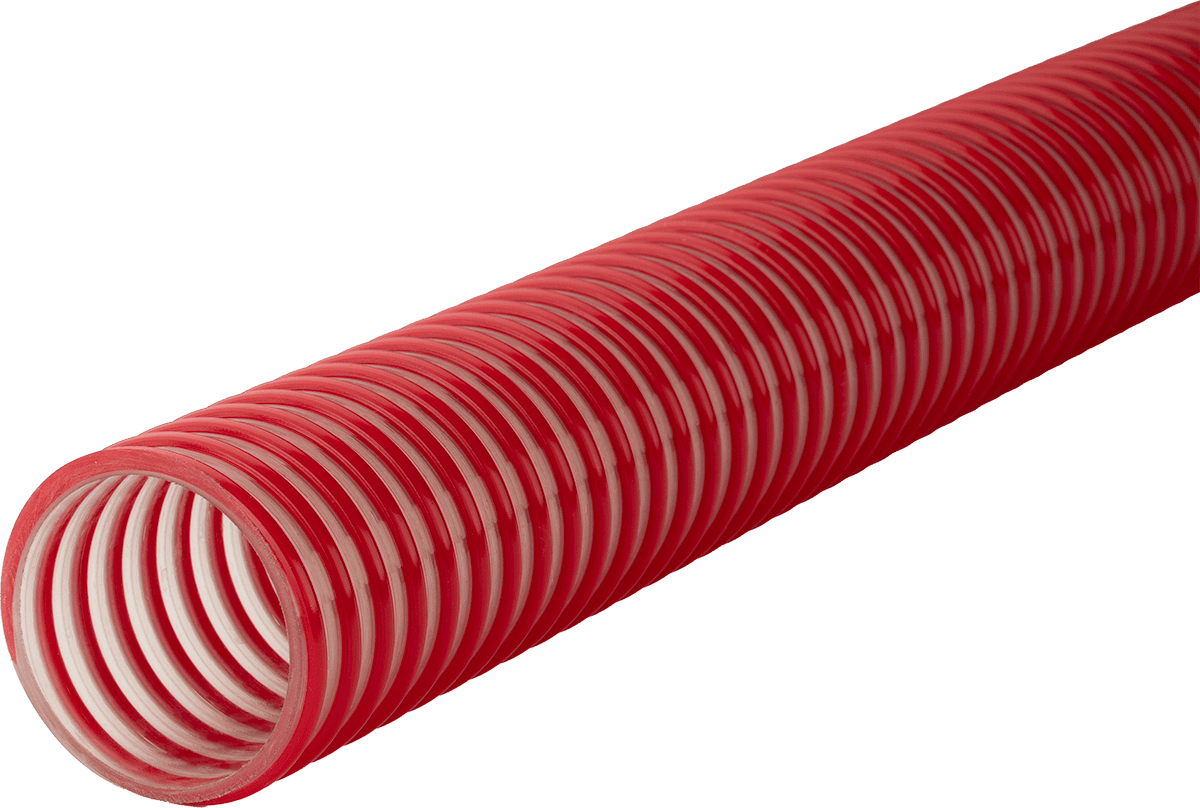
flexFLO™ lite U 100
Medium-duty polyurethane dry material handling hose
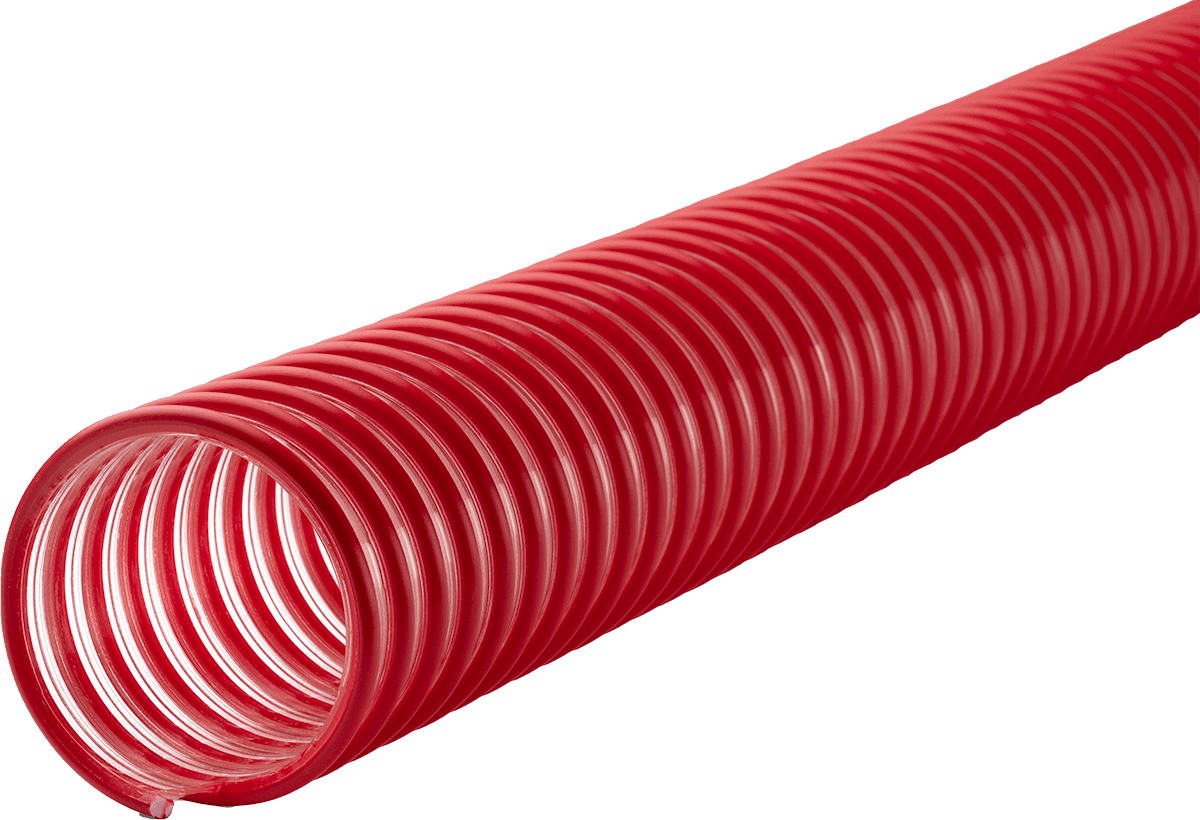
flexFLO™ lite U 100 uses a polyurethane-lined PVC tube for dry-material abrasion resistance and a clear wall for flow inspection. It does not supply a hose-grounding wire.
The simplest way to select a hose.
Don’t see your application? Email us.
Application guide
Medium-duty polyurethane dry material handling hose
flexFLO™ lite U 100 uses a polyurethane-lined PVC tube for dry-material abrasion resistance and a clear wall for flow inspection. It does not supply a hose-grounding wire.
Medium-duty polyurethane material handling hose
The full-polyurethane alternative is limited to 2½- and 3-inch systems without a mandatory hose-wire requirement. flexFLO™ U 190 uses a full polyurethane hose wall for abrasive agricultural materials. Its application-specific air-seeder design is offered in 2½- and 3-inch inside diameters.
Heavy-duty abrasion resistant suction and discharge hose
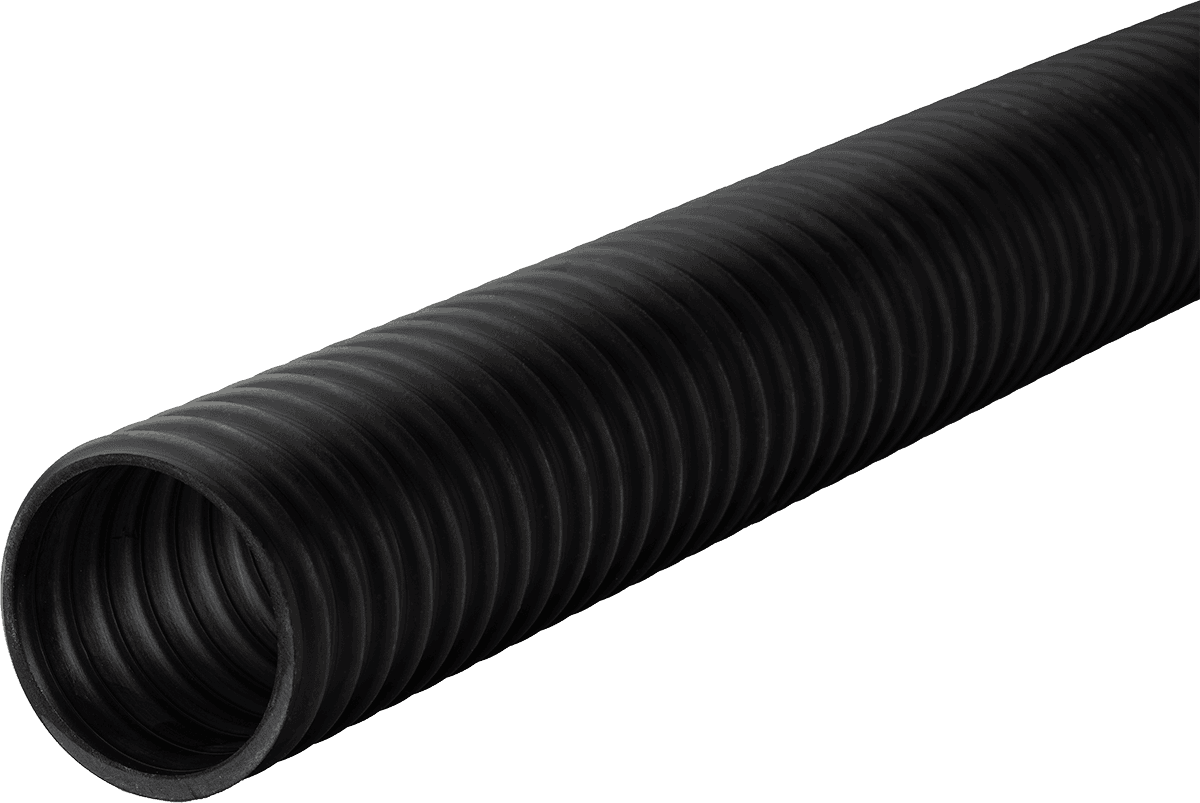
flexVAC™ 180 STAR combines abrasion-resistant SBR construction, static-dissipating carbon black and a copper grounding wire for demanding dry-material handling.
Notes: Use the grounded rubber recommendation for general wood-pellet handling.
Grounding requirements exclude 100UCLRD and 190U when a hose wire is mandatory.
Distinction: flexFLO™ lite U 100 provides clear, lighter construction in a broad size range where a hose-grounding wire is not required. flexFLO™ U 190 adds full-polyurethane construction in 2½- and 3-inch sizes. flexVAC™ 180 STAR is the grounded heavy-duty general selection.
Warning: Wood-pellet transfer can generate fine combustible dust. Evaluate the complete conveying and collection system and correctly terminate, bond, ground and test wire-equipped hoses where required. Confirm the selected diameter’s pressure, vacuum, temperature and bend-radius limits.
Exception: In a 2½- or 3-inch system with no hose-grounding-wire requirement, flexFLO™ U 190 may be selected when full-polyurethane internal-abrasion resistance controls the duty. That exception does not override the complete system’s static-control requirements.